
 Tiếng Việt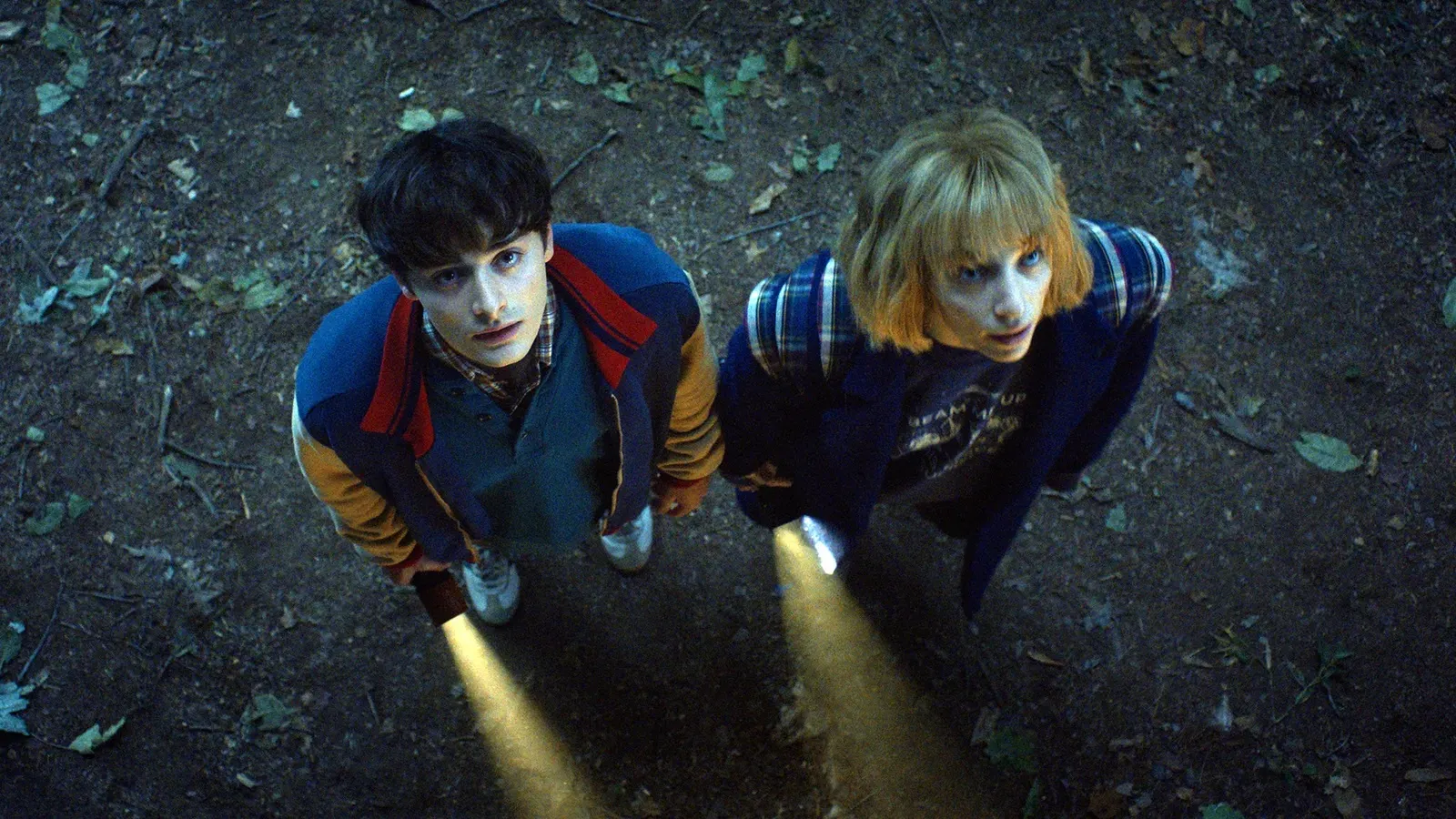
After more than a decade of cultural dominance, Stranger Things is approaching its endgame — a self-decoding journey that finally begins to untangle the mysteries planted since its earliest days.
The long-awaited fifth and final season of Stranger Things has exploded onto screens. The series’ monumental appeal proved itself once again when the overwhelming demand caused minor server outages on Netflix shortly after the first four episodes (Volume 1) dropped — a testament to the immense anticipation built over three and a half years. On Rotten Tomatoes, critics scored Stranger Things 5 at 92%, marking the third-highest season debut in the show’s history (Season 1: 97%, Season 2: 94%, Seasons 3 & 4: 89%).

A Decade in the Making: The Beginning of the End
First introduced to audiences in July 2016, the story of a small group of kids in Hawkins uniting to protect one another against the dark forces unleashed by human scientific meddling has since become one of Netflix’s most-watched titles ever. Nearly ten years on, the Duffer Brothers’ creation continues to be regarded as a defining marker of the fantasy-horror genre in the streaming era — not because it reinvented the wheel, but because it revived familiar ingredients: a blend of horror and sci-fi steeped in youthful curiosity and adrenaline-charged storytelling.
That magnetic appeal persisted across its first four seasons, despite the notoriously uneven quality typical of long-running streaming series. Stranger Things has expanded far beyond the screen, growing into a massive franchise ecosystem: from the stage prequel Stranger Things: The First Shadow, to the upcoming animated spin-off Stranger Things: Tales from ’85, to board games, comics, and fashion collaborations.

Even more significantly, the series catapulted an entire generation of young actors — led by Millie Bobby Brown (Eleven), Sadie Sink, Finn Wolfhard, Gaten Matarazzo, Caleb McLaughlin and Noah Schnapp — into global superstardom.
Three and a half years after the release of Season 4 in May 2022, and following production delays caused by Hollywood strikes and rising costs, the final chapter has finally arrived.
An Expanded Ensemble and a Generational Shift
Set in the autumn of 1987 — 18 months after the traumatic events of Season 4 — Season 5 drops viewers into a Hawkins transformed. Vecna (Jamie Campbell Bower) has ruptured the boundary between reality and the Upside Down, reshaping the once-peaceful town into a fortified zone marked by fear and vigilance.
Eleven, hardened by loss, now hides with Hopper as they prepare for the ultimate showdown. The Byers brothers, Wheeler family, Steve, and Robin embark on a dangerous infiltration of the Upside Down. No longer children driven by innocent wonder, the characters now confront the weight of responsibility.
The decision to end the series here is both artistic and practical. The original child actors are now in their twenties, creating a widening gap between actor age and character believability — a constraint that cannot be ignored.
As a result, the final season introduces a narrative redirection. Vecna shifts his focus to a younger generation, bringing in new characters such as Holly Wheeler and Derek Turnbow. Holly (Nell Fisher), Mike and Nancy’s younger sister, gives viewers a fresh perspective on the supernatural through a child’s lens — curious, exploratory, and daring.
Yet the breakout is Derek (Jake Connelly), whose humor and emotional warmth provide both levity and resonance. He feels like a spiritual successor to early-season Dustin — grounding, lovable, and deeply human.
Friendship: The Soul of the Series
Season 5 reaffirms the emotional core that made Stranger Things iconic: the irreplaceable power of friendship. Even as the world darkens and the stakes climb, the Duffer Brothers weave in moments of humor, tenderness, and everyday humanity.
This season’s relationships feel richer and more multidimensional. The brotherly bond between Steve and Dustin is further highlighted, but the most surprising and refreshing dynamic is the friendship between Will and Robin — unconventional, vibrant, and quietly heartbreaking.
Karen Wheeler, typically a background presence, receives a poignant spotlight as she navigates maternal anxiety and fierce protectiveness. And Holly’s innocence serves as an emotional counterpoint to the turbulence surrounding her.
Hawkins itself feels more alive than ever — every character, every corner of the town, carries a story and a purpose. This attention to detail also explains the near-feature-length runtime of each episode, allowing subplots to breathe and emotions to mature naturally.
Structurally, the script remains linear, but its narrative threads interlock more seamlessly than before. Eleven and Hopper anchor the story, while supporting characters — Steve, Robin, Nancy, Will — gain meaningful depth. Notably, Will Byers’ awakening supernatural connection becomes one of the most exhilarating reveals for longtime fans.
However, Season 5 doesn’t significantly expand the established lore of the Upside Down. Instead, its evolution lies in how characters navigate it — shifting from Dungeons & Dragons metaphors to radio frequencies as investigative tools, signaling a more strategic, science-driven approach.
The weakest aspect remains the handling of romantic subplots and certain character motivations, which occasionally fall back on familiar patterns from previous seasons.
Ultimately, Stranger Things 5 demonstrates that the series has not lost the qualities that made it a global phenomenon: the blend of horror, adventure, sci-fi intrigue, and deeply felt character storytelling. The writers skillfully balance emotional introspection with explosive set pieces, humor with grief, nostalgia with progression.
The result is a season that entertains, surprises, and invites reflection — on courage, friendship, and the painful beauty of growing up.
Elle Việt Nam